A card does not create roaming
Network access exists only after commercial connection and token distribution or authorization are in place.
Roaming credential programme
Programme outcome
A physical credential whose token record, identifier format and lifecycle state stay consistent across participating systems.
Review recommended productDesigned for
eMSPs, CPOs and mobility platforms operating bilateral or hub-based roaming
Roaming layer
OCPI 2.2.1 / 2.3.0, OICP or eMIP
Station layer
Reader + OCPP + CPO backend
Identity
Issuer-controlled token record
Commercial scope
Contracts and entitlement sit outside the card
Operating model / 01
The physical card is one controlled input. Reader behaviour, platform records and operating rules determine whether the correct account is authorized and traced.
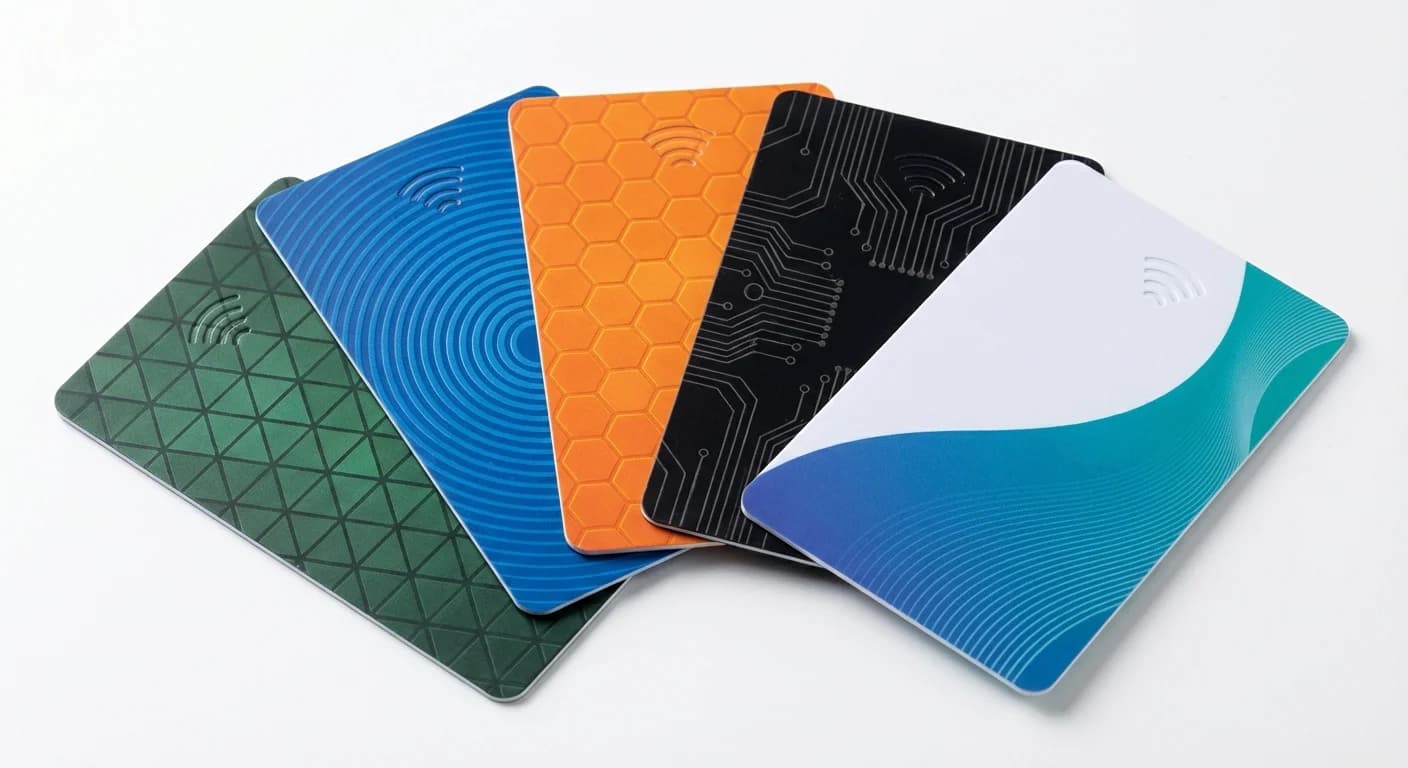
The mobility provider assigns a physical card or keyfob to a customer and controls its lifecycle status.
The station reads the credential and forwards the identifier to the CPO backend using its supported authorization flow.
The CPO checks a local token store or requests authorization through its roaming connection.
OCPI, OICP or eMIP carries token, authorization and related session information between contracted parties.
Session and charge-detail data travel back through the commercial chain; the card is only the identity trigger.
Specification matrix / 02
A production-ready brief states what must be decided, how it will be implemented and what evidence will count as acceptance.
Identify bilateral partners, hub connections, environments and protocol versions.
Every target route has an owner and test endpoint.
Define issuer, party/country identifiers, token type, contract reference and lifecycle authority.
The token remains globally unique within the agreed ecosystem.
Agree hexadecimal or decimal representation, byte order, padding, case and permitted length.
Reader output, CSMS record and roaming payload resolve to the same value.
Document whitelist push, real-time request, cache and offline behaviour for each target CPO estate.
Accepted, blocked, expired and unknown states produce the expected result.
Define how newly issued, blocked, expired and replaced tokens move between parties.
A status change reaches the test CPO within the agreed operating window.
Specify references used to reconcile authorization, session and CDR records.
Pilot sessions return to the correct eMSP customer record without orphan data.
Assign ownership for rejected tokens, reader mismatches, partner outages and disputed sessions.
Support can trace a failure across station, CPO, hub and eMSP logs.
Failure controls / 03
Most failed launches are not caused by print quality. They come from unclear identifiers, untested readers, incomplete data ownership or weak lifecycle control.
Network access exists only after commercial connection and token distribution or authorization are in place.
Byte order, padding and case mismatches are common causes of failed authorization; lock the representation before production.
A successful first tap is insufficient. Validate block, expiry, replacement and reactivation paths across the same route.
CDR exchange, tariffs and settlement belong to roaming platforms and contracts, not to credential manufacturing.
Delivery path / 04
Each phase should close with evidence that can be reviewed by operations, platform and procurement teams.
Document issuer, partners, hubs, protocol versions, token ownership and support contacts.
Roaming responsibility matrix
Produce a small set with known values and compare reader, CSMS and roaming representations.
End-to-end token trace
Exercise accepted, unknown, blocked, expired, offline and replacement scenarios.
Authorization result matrix
Release only the markets and partner routes that have completed acceptance.
Approved market/partner register
Manage new partners, protocol upgrades and replacements without changing the physical identity rules silently.
Versioned interoperability record
Responsibility boundary / 05
A precise boundary prevents the card from being blamed for configuration, entitlement or settlement decisions that live elsewhere.
Controls the approved material, chip, antenna, artwork, encoding, variable data, batch QC and production record.
Defines accepted identifier format, reader behaviour, token import, authorization states, security application and technical acceptance.
Owns assignment, activation, contracts, access policy, tariffs, customer support, replacement approval and end-of-life decisions.
Credential options / 06

OCPP Workflows / idTag / idToken / UID Formatting
RFID credentials prepared for the identifier and authorization workflow used between EV charger readers and OCPP charging-management systems.
Review recommended product
Fleet Operations / Bulk Token Data / Replenishment
Branded RFID fleet charging credentials with unique token data, driver or vehicle numbering, bulk platform import and controlled replenishment.
Review recommended product
Recycled PVC / Custom RFID / UID Mapping
Custom RFID charging cards with a recycled-PVC card body, reader-matched chip options, programme artwork and UID-to-account data handoff.
Review recommended productTechnical library / 07
These sources define the surrounding technology and operating interfaces. ChargeRFID manufactures physical credentials; platform configuration, roaming contracts and charging-station certification remain with the relevant operators and vendors.

EV Infrastructure / 6 min read
One RFID card, every charging network. How EV roaming works through OCPI and OICP, why drivers stop juggling an app per network, and how fleets get one card and one invoice across 1M+ chargers in 2026.
Read More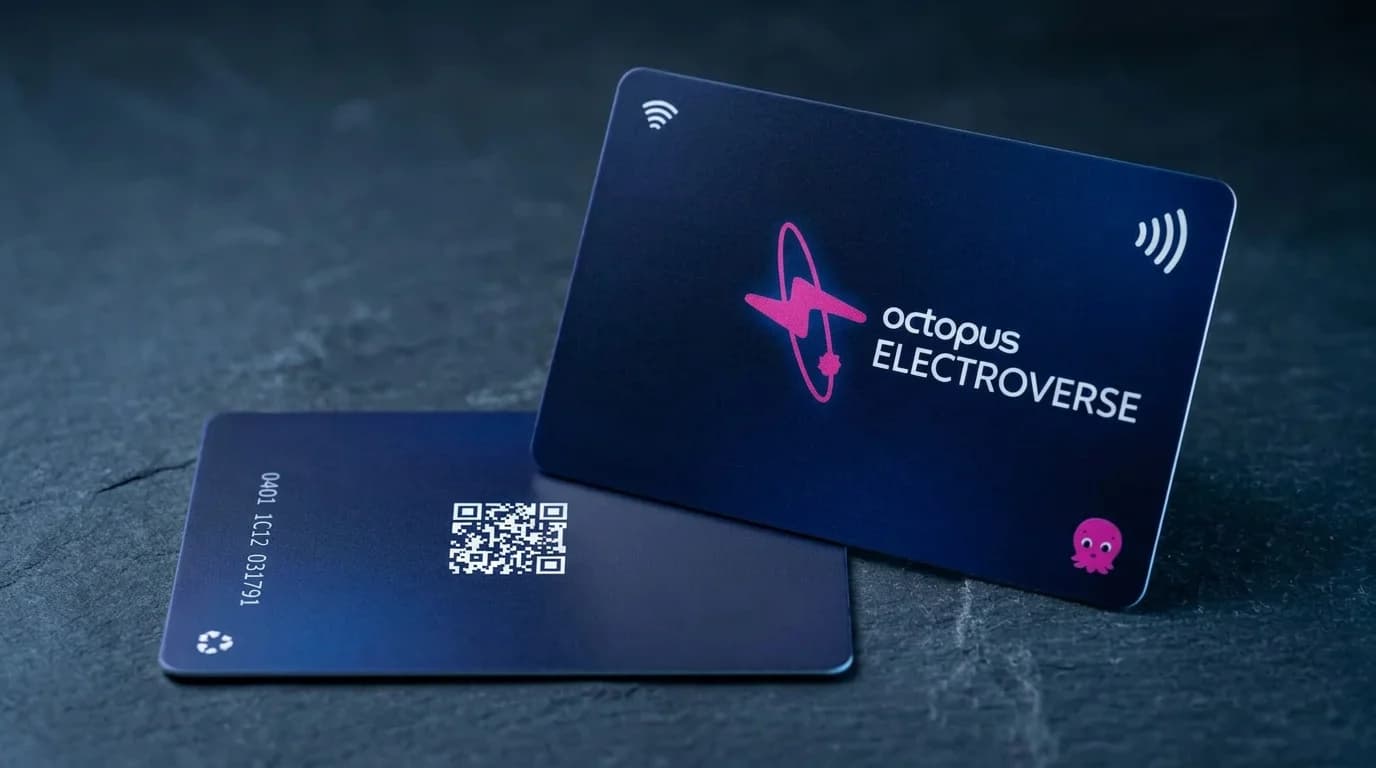
Selected work / 2 min read
Octopus Electroverse: a quiet production record of a custom-printed PVC EV charging card.
Read MorePrimary implementation references
Programme questions / 08
No. The credential identifier must be registered and authorized through the eMSP/CPO commercial and technical connection. Manufacturing produces the physical credential; it does not create a roaming contract or token entitlement.
OCPP is primarily the station-to-management-system protocol. OCPI connects CPOs and eMSPs for roaming data such as locations, tokens, sessions, tariffs and CDRs. OICP and eMIP provide alternative roaming interfaces.
The card does not implement OCPI. The participating platforms agree the OCPI version, while the physical credential and identifier must match the reader and token rules used by those platforms.
Yes, and that is a common failure source. Hex/decimal conversion, byte order, padding, leading zeros and case should be fixed in the interface brief and verified end to end.
Other operating programmes
RFID credentials for depot, workplace and public charging, with controlled driver or vehicle assignment, platform-ready identifiers and replacement records.
White-label cards and keyfobs prepared around your brand, identifier format, platform import, launch volume and repeat-order workflow.
Credential programmes for workplaces, depots, residential sites and destinations that need controlled access by employee, resident, visitor or account.
A controlled route from legacy or UID-only credentials to reader-matched card technology with a practical pilot, data plan and phased reissue.
Branded credentials for vehicle delivery, dealership charging, loyalty and premium member programmes—with controlled serialization and presentation.
Share the reader estate, identifier rules, security requirement, platform handoff, volume and rollout markets. We will return the questions needed for samples and production approval.