WEX Launches First Unified Fuel + EV Charging Card: What Fleet Managers Need to Know in 2026
Fleet managers have long juggled separate cards for diesel, gasoline, and now electric vehicle charging. That complexity is finally ending. In January 2026, WEX Inc. announced a groundbreaking solution: the first unified card that handles traditional
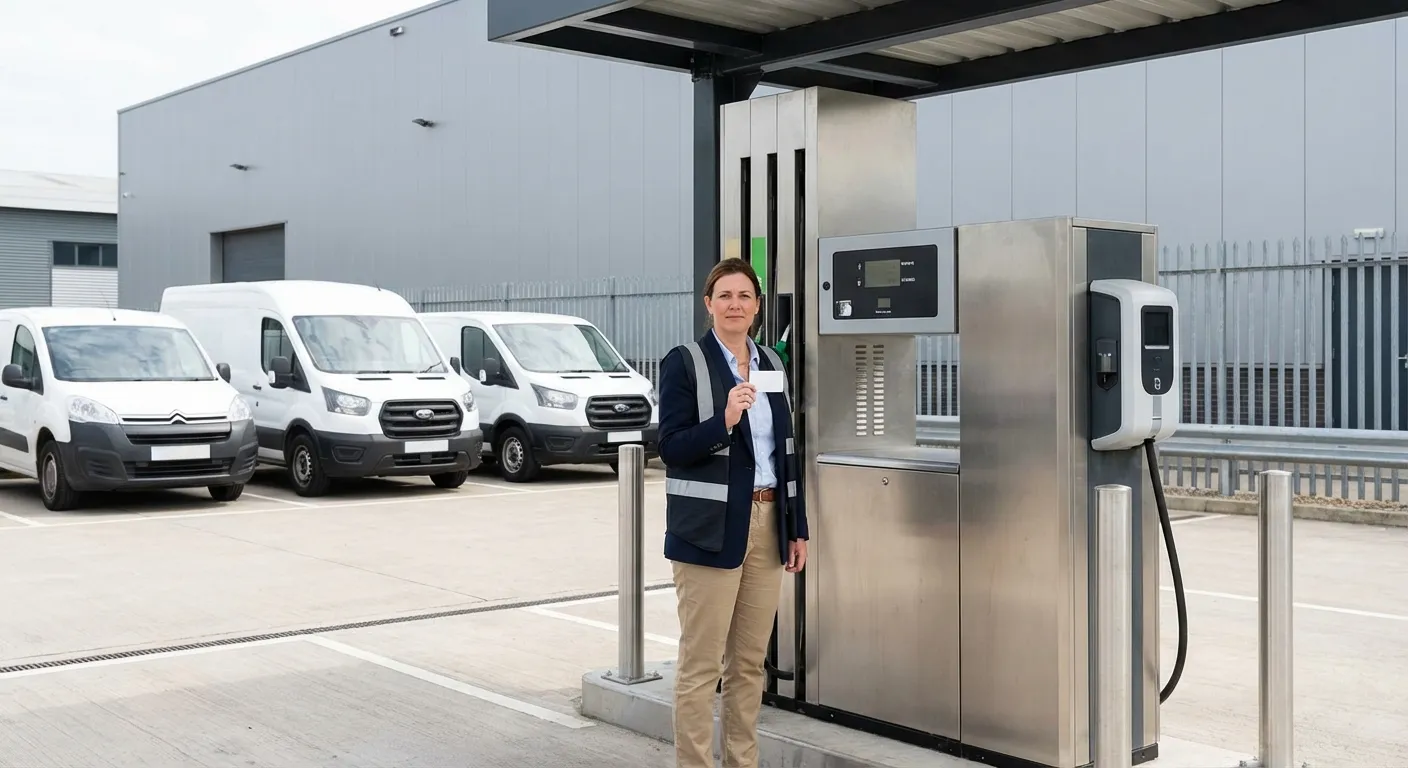
Fleet managers have long juggled separate cards for diesel, gasoline, and now electric vehicle charging. That complexity is finally ending. In January 2026, WEX Inc. announced a groundbreaking solution: the first unified card that handles traditional fuel AND EV charging through a single RFID-enabled credential. Here's what this means for your fleet operations.
The Problem: Too Many Cards, Too Many Invoices
Managing a mixed fleet in 2026 means dealing with fragmented payment systems. Your diesel trucks use one fuel card. Your electric vans need charging network memberships. Your hybrid vehicles might need both. The result? Multiple vendor relationships, separate invoices, disconnected reporting, and administrative overhead that grows with every vehicle you add.
According to fleet industry analysts, companies operating mixed fleets spend an average of 12 additional hours per month reconciling separate fuel and charging accounts. For a 50-vehicle fleet, that translates to significant labor costs and delayed expense reporting.
One Card, One Account, One Invoice
The WEX unified approach represents a fundamental shift in fleet energy management. A single RFID card now works at traditional fuel stations AND electric charging networks. Drivers no longer need to carry multiple credentials or remember which card works where. They simply tap the same card whether filling a diesel tank or plugging into a DC fast charger.
For fleet managers, this consolidation delivers immediate benefits. One vendor relationship simplifies procurement. One invoice streamlines accounting. One dashboard provides complete visibility into all energy spending—regardless of whether that energy comes from petroleum or electrons.
Why RFID Remains Central to Fleet Charging
While consumer EV charging increasingly moves toward app-based and Plug & Charge solutions, fleet operations have different requirements. RFID cards provide physical accountability—you know exactly which driver used which charger. They work without smartphones or cellular connectivity. They integrate with existing fleet management systems that have used card-based tracking for decades.
The 67,916 public DC fast-charging ports now operating across the United States almost universally accept RFID authentication. This infrastructure compatibility means fleet vehicles can charge anywhere without worrying about network compatibility or app availability.
Implementation Considerations for Fleet Managers
Transitioning to unified cards requires evaluating your current charging network coverage. Not all charging networks participate in every unified card program. Before switching, map your fleet's regular routes against the participating charging stations to ensure adequate coverage.
Consider your reporting requirements as well. Unified cards should provide detailed transaction data including charging duration, energy consumed (kWh), location, and cost—the same granularity you expect from traditional fuel cards. This data feeds into total cost of ownership calculations that justify your EV investments.
Driver training remains straightforward since RFID tap-to-authenticate works identically whether at a fuel pump or charging station. The learning curve is minimal for teams already familiar with fleet fuel cards.
The Financial Case for Consolidation
Beyond administrative simplification, unified cards often unlock volume-based pricing advantages. Consolidating all energy spending through a single provider increases your purchasing power. Fleet managers report negotiating better per-kWh rates when they can demonstrate consistent, predictable charging volumes.
The EV charging market's projected growth to $90.4 billion by 2032 means more competition among card providers and charging networks. Early adopters of unified solutions position themselves to benefit from this competition through better rates and expanded network access.
Ready to simplify your fleet's fuel and charging management with unified RFID cards? Contact us to discuss solutions tailored to your operation.
Ready to Go Green with Your Charging Network?
Contact us to learn how our sustainable RFID cards can enhance your EV charging infrastructure.
Related Articles

Škoda Auto Chooses Cherry Wood RFID Cards for EV Charging
Discover how Škoda Auto partnered with ChargeRFID to roll out sustainable cherry wood RFID cards for their Europe-wide Let's Explore EV campaign.
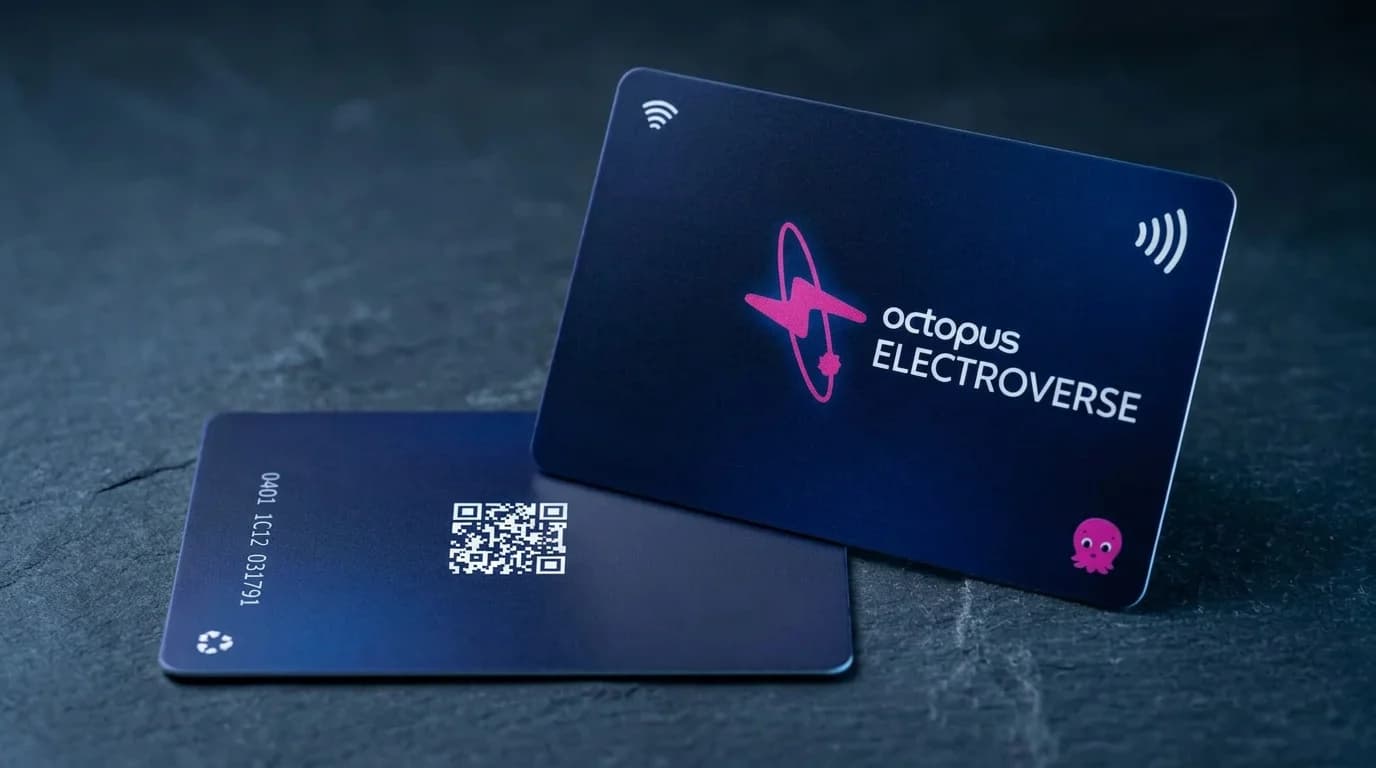
Octopus Electroverse Scales EV Roaming with Custom RFID Cards
See how Octopus Electroverse powers Europe's largest EV roaming network of 1.3 million chargers using highly secure, OCPP-compatible RFID cards.