The Green Revolution in EV Charging: Beyond Just Electric Power
EV Charging Infrastructure Embraces Holistic Sustainability Beyond Clean Energy
EV Charging Infrastructure Embraces Holistic Sustainability
EV Charging Infrastructure Embraces Holistic Sustainability Beyond Clean Energy
January 20, 2025
Environmental Technology
Global
Environmental correspondent
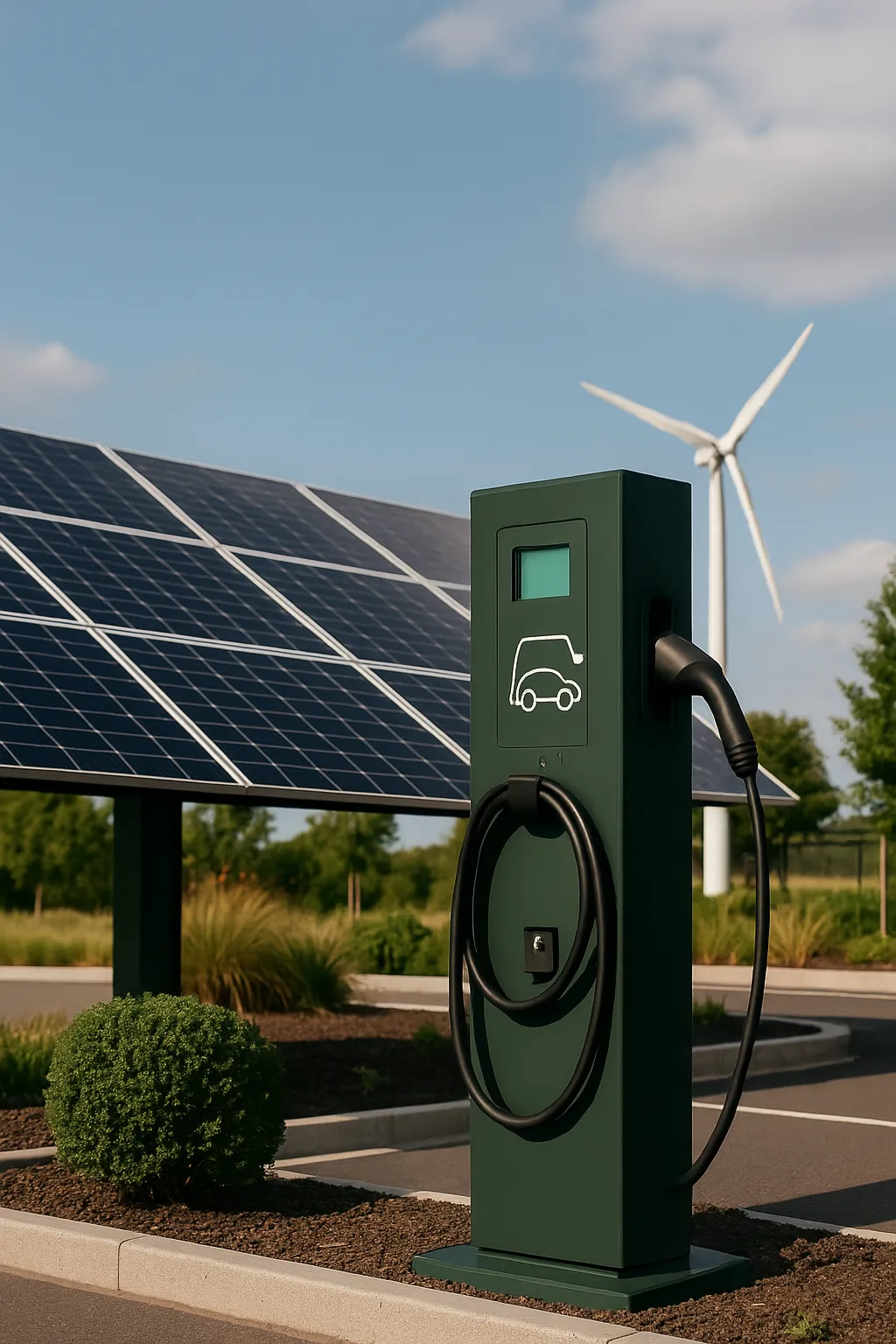
New EV charging stations increasingly incorporate renewable energy sources and sustainable materials throughout their construction. *Photo: Industry file image*
The electric vehicle charging industry is undergoing a comprehensive sustainability transformation that extends far beyond simply providing clean energy. Recent research reveals that charging infrastructure operators are now addressing the full lifecycle environmental impact of their installations, from the materials used in construction to the disposal of authentication systems.
This shift toward "holistic sustainability" represents a maturation of the industry's environmental consciousness, as operators recognize that truly sustainable EV charging requires attention to every component of the charging ecosystem, including elements that have traditionally been overlooked.
Material Innovation Drives Environmental Gains
Charging station manufacturers are increasingly adopting recycled and renewable materials in their construction. Industry data shows that new installations now commonly incorporate recycled steel, aluminum, and plastics, alongside innovative materials like bamboo for aesthetic components.
Perhaps most significantly, research has identified substantial emissions reductions through strategic material choices. Studies indicate that switching from polycarbonate to acrylonitrile butadiene styrene (ABS) blends in AC chargers can significantly lower emissions while maintaining safety and durability standards.
Even charging cables are being reimagined, with manufacturers now producing versions featuring biodegradable insulation and recyclable materials, addressing environmental impact throughout the product lifecycle.
Authentication Systems Under Environmental Scrutiny
One of the most surprising areas of environmental focus involves the authentication systems that enable access to charging networks. The proliferation of network-specific plastic cards has created an often-overlooked environmental burden, prompting industry leaders to seek more sustainable alternatives.
The adoption of RFID-based authentication systems and interoperable standards, such as NEMA EVSE 1-2018, allows users to access multiple networks with a single card or digital credential. This approach reduces the need for multiple plastic cards while streamlining user experience.
Digital and contactless solutions are also gaining traction, with smartphone apps and digital wallets increasingly replacing physical cards. These systems further reduce material use and waste associated with traditional authentication methods.
"The industry is moving beyond just emissions reduction, addressing the full lifecycle and secondary impacts of charging infrastructure."
Comprehensive Impact Assessment
Charging infrastructure developers are now conducting comprehensive lifecycle assessments (LCA) to evaluate environmental impact from raw material extraction to end-of-life disposal. These assessments are informing strategies for increasing renewable energy use, improving recycling processes, and designing equipment for easier disassembly.
Environmental impact assessments (EIA) are being used to analyze the effects of station placement, energy sourcing, and user behavior patterns. This data-driven approach is leading to more sustainable infrastructure planning and reduced ecological footprints.
Sustainability Area
Key Initiative
Environmental Impact
Charger Design
Modular, upgradable systems
Reduced e-waste, longer lifespan
Materials
Recycled steel/aluminum, biodegradable cables
Lower carbon footprint, less extraction
Energy Integration
Solar/wind-powered stations
Green charging, grid independence
Authentication
RFID, digital wallets, interoperability
Fewer cards, less plastic waste
Site Planning
Lifecycle and environmental assessments
Reduced habitat disruption
Addressing Secondary Environmental Impacts
Beyond the direct environmental benefits of electric vehicle adoption, the industry is now addressing secondary environmental impacts that were previously overlooked. Recent studies have identified elevated particulate matter near some DC fast-charging stations, prompting research and mitigation efforts.
Land use and habitat disruption from charging station installation, particularly in sensitive or remote areas, is now being addressed through sustainable site selection and ecosystem restoration measures.
Water consumption has also emerged as a concern, with traditional cooling systems for high-power chargers proving water-intensive. Newer designs increasingly use passive or air-based cooling to minimize water use, particularly important in arid regions.
Industry-Wide Transformation
The shift toward comprehensive sustainability reflects the industry's recognition that environmental leadership requires attention to every aspect of the charging ecosystem. This includes not just the electricity used for charging, but the materials, manufacturing processes, and end-of-life considerations for all system components.
Industry experts suggest that this holistic approach will become increasingly important as charging networks scale globally, with even small improvements in sustainability practices potentially yielding significant environmental benefits when deployed at scale.
The integration of smart charging algorithms and grid optimization technologies is also contributing to sustainability goals by enabling load balancing, demand response, and better integration with renewable energy sources.
Future Outlook
As the EV charging industry continues to mature, the focus on holistic sustainability is expected to intensify. Material innovation, design for disassembly, and comprehensive impact assessment are becoming standard practices rather than experimental initiatives.
The success of these sustainability initiatives will likely influence policy development and industry standards, potentially establishing new benchmarks for environmental performance in charging infrastructure deployment.
Related Topics
Electric Vehicle Infrastructure, Sustainable Materials, Environmental Impact Assessment, RFID Technology, Renewable Energy Integration, Lifecycle Assessment
This article examines the comprehensive sustainability initiatives being implemented across the global EV charging infrastructure industry, based on recent research and industry developments.
Ready to Go Green with Your Charging Network?
Contact us to learn how our sustainable RFID cards can enhance your EV charging infrastructure.
Related Articles

AI-Powered Charging Infrastructure Drives Demand for Sustainable RFID Authentication Solutions
AI-Powered Charging Infrastructure Drives Demand for Sustainable RFID Authentication Solutions

Škoda Auto Chooses Cherry Wood RFID Cards for EV Charging
Discover how Škoda Auto partnered with ChargeRFID to roll out sustainable cherry wood RFID cards for their Europe-wide Let's Explore EV campaign.