ISO 15118 Plug and Charge vs RFID Cards: Which Authentication Will Win in 2026?
January 8, 2026 marked a pivotal moment for electric vehicle charging infrastructure. New regulations now require all public charging stations to support ISO 15118-2:2016, the standard enabling Plug & Charge technology. Does this spell the end for RF
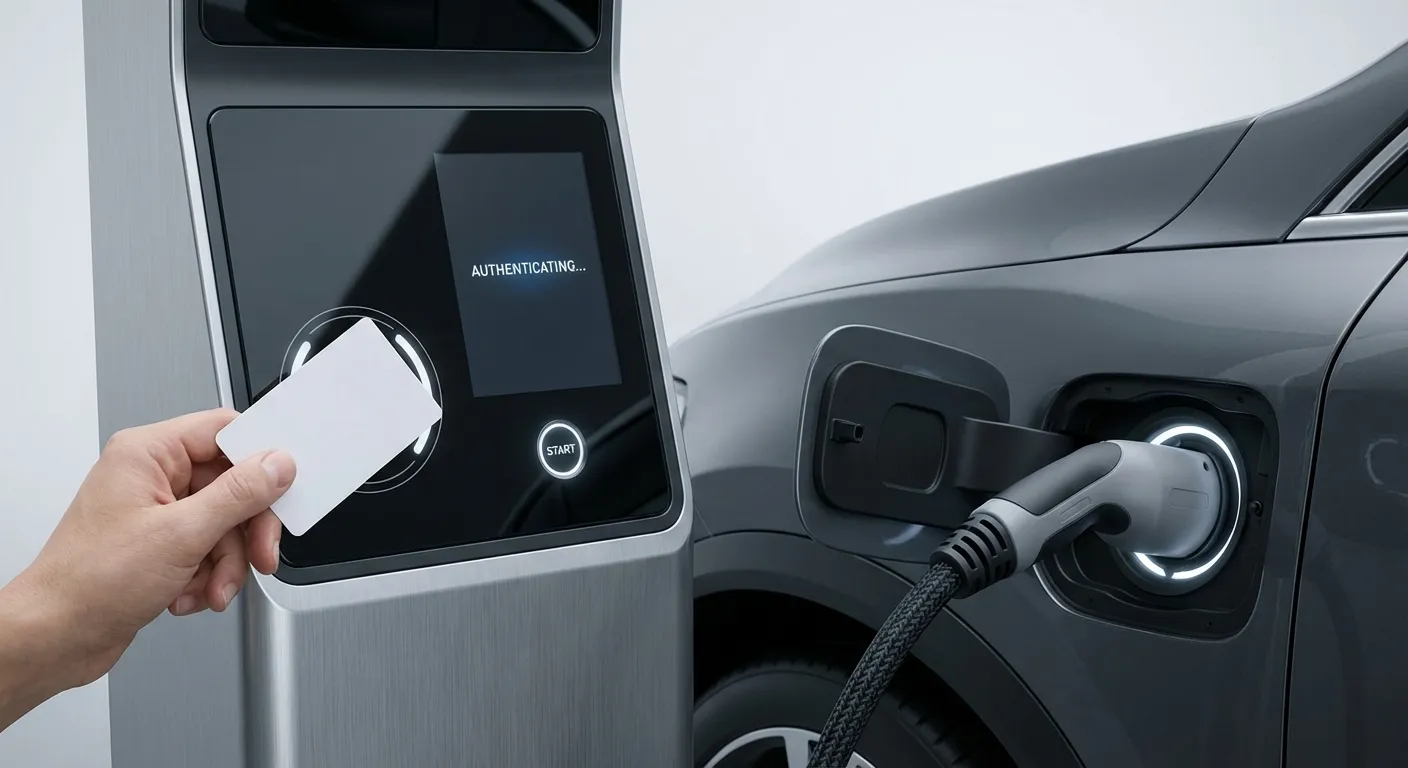
January 8, 2026 marked a pivotal moment for electric vehicle charging infrastructure. New regulations now require all public charging stations to support ISO 15118-2:2016, the standard enabling Plug & Charge technology. Does this spell the end for RFID authentication? Not quite. Here's why both technologies will coexist—and how to choose the right approach for your charging network.
Understanding the ISO 15118 Mandate
ISO 15118 enables automatic authentication between an electric vehicle and a charging station through the charging cable itself. When a driver plugs in, the vehicle and charger exchange digital certificates. If valid, charging begins automatically with payment processed through the driver's pre-registered account. No cards, no apps, no interaction required.
The January 2026 mandate requires new public charging stations to support this protocol. For consumers, it promises a "plug and forget" experience similar to how gasoline cars simply accept fuel without authentication. The goal is reducing friction and making EV charging as simple as possible.
Where RFID Still Wins
Despite the Plug & Charge mandate, RFID authentication isn't disappearing. Several scenarios demand card-based access that ISO 15118 cannot address.
Fleet vehicles often require driver-level accountability. When a company owns 50 EVs driven by different employees, Plug & Charge authenticates the vehicle—not the driver. RFID cards identify who charged, enabling accurate expense allocation and policy enforcement. A sales representative using a company vehicle for personal trips can be billed differently than business charging.
Rental cars and car-sharing services face similar challenges. The vehicle's Plug & Charge credentials belong to the fleet owner, but the person charging might be a daily renter who should pay directly. RFID enables guest access without transferring vehicle credentials.
Older EVs manufactured before widespread ISO 15118 adoption—including many vehicles still under warranty and in active service—lack Plug & Charge capability. These drivers need alternative authentication methods for years to come.
The Hybrid Approach: Supporting Both
Smart charging network operators are implementing dual-authentication systems. Stations support Plug & Charge for compatible vehicles while maintaining RFID readers for fleet users, older vehicles, and guest access. This hybrid approach maximizes accessibility without forcing users into a single authentication method.
The technical implementation is straightforward. Modern charging stations already include communication modules for various authentication protocols. Adding or maintaining RFID capability alongside ISO 15118 requires minimal additional hardware cost compared to the flexibility it provides.
Security Considerations
Both authentication methods employ robust security measures, but their threat profiles differ. Plug & Charge relies on Public Key Infrastructure (PKI) with digital certificates stored in vehicles. Compromising this system requires sophisticated attacks on automotive security systems.
RFID cards use encrypted communication protocols resistant to cloning and replay attacks. Modern charging cards employ the same security standards as contactless payment cards, with billions of transactions annually validating their reliability.
For high-security environments like government fleets or corporate campuses, some organizations prefer RFID's physical credential requirement. A lost or stolen vehicle with Plug & Charge enabled could be charged by anyone who possesses it. RFID requires both vehicle access AND card possession.
Making the Right Choice for Your Network
If you operate public charging stations, compliance with the ISO 15118 mandate is non-negotiable for new installations. But maintaining RFID support serves the significant market segment that needs it: fleet operators, car rental companies, and drivers of older EVs.
For private or workplace charging installations not covered by public mandates, evaluate your user base. Employee parking garages serving company fleets benefit from RFID's accountability features. Retail locations seeking maximum consumer convenience might prioritize Plug & Charge with RFID as backup.
The 33% year-over-year growth in DC fast-charging infrastructure means both authentication methods will see expanded deployment. Rather than betting on one technology, successful operators embrace both.
Need help implementing dual-authentication charging solutions? Contact us to explore RFID cards that complement your Plug & Charge infrastructure.
Ready to Go Green with Your Charging Network?
Contact us to learn how our sustainable RFID cards can enhance your EV charging infrastructure.
Related Articles
AFIR 2026: What Europe's New Charging Rules Mean for RFID Authentication
Europe's Alternative Fuels Infrastructure Regulation (AFIR) is reshaping the EV charging landscape, and 2026 marks a critical inflection point. With new ISO 15118 mandates taking effect in January 2026 and contactless payment terminal retrofits requi
RFID Authentication Goes Embedded: How Secure, Offline-Capable Charging Stations Are Reshaping EV Infrastructure
RFID Authentication Goes Embedded: Offline-Capable Charging Stations Reshape EV Infrastructure