AI-Powered Charging Infrastructure Drives Demand for Sustainable RFID Authentication Solutions
AI-Powered Charging Infrastructure Drives Demand for Sustainable RFID Authentication Solutions

AI-Powered Charging Infrastructure Drives Demand for Sustainable RFID Authentication Solutions
AI-Powered Charging Infrastructure Drives Demand for Sustainable RFID Authentication Solutions
Technology
Global
Technology correspondent
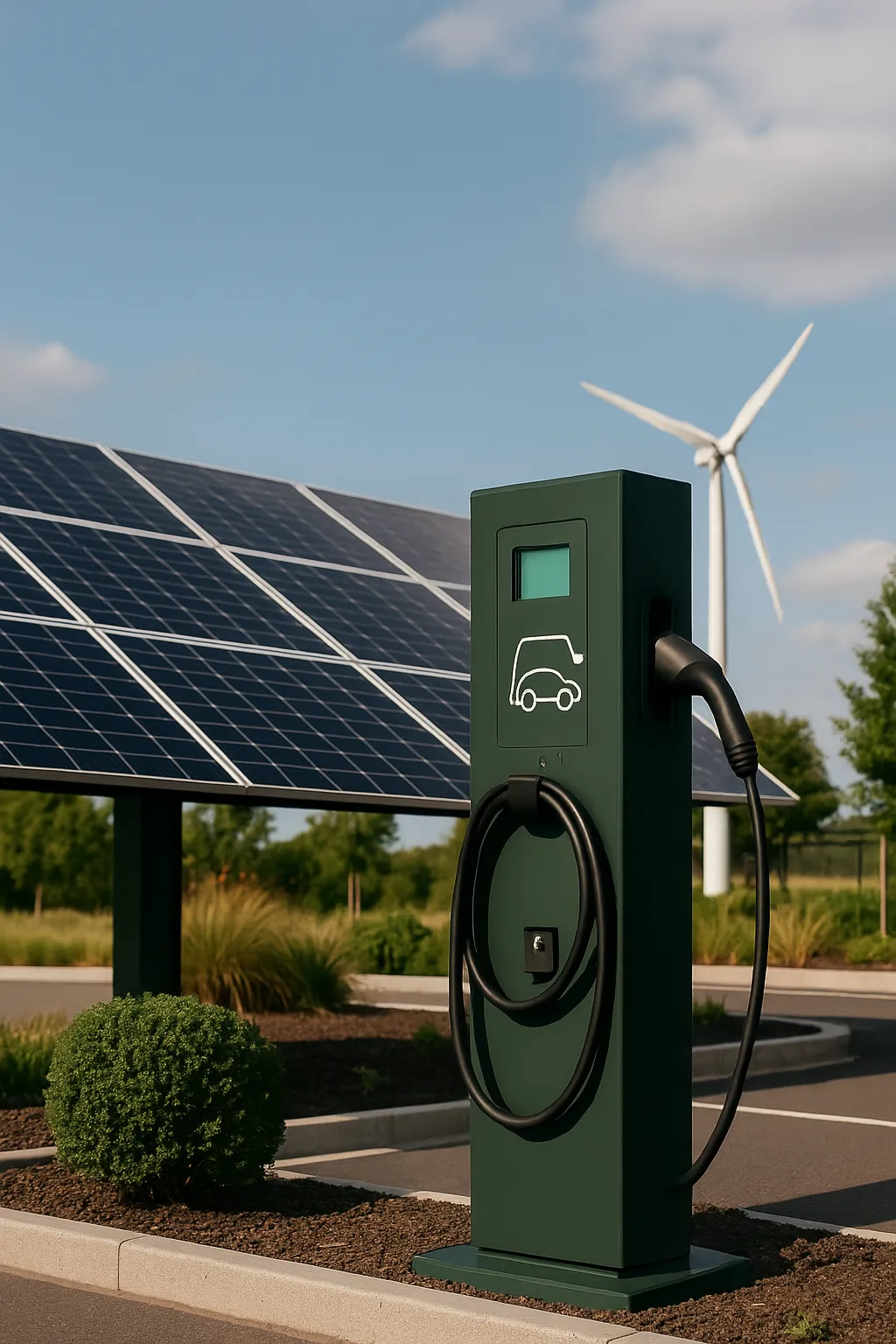
AI-enhanced charging infrastructure integrates sustainable RFID authentication for optimized fleet operations and grid management. *Photo: Industry file image*
The convergence of artificial intelligence and sustainable authentication technologies is reshaping how EV charging networks operate, with recent developments highlighting the critical role of eco-friendly RFID cards in supporting next-generation smart charging infrastructure.
Over the past week, industry developments have underscored a significant shift toward AI-driven predictive analytics in EV charging operations, particularly for fleet electrification and grid optimization. This technological evolution isn't just improving operational efficiency—it's creating new opportunities for sustainable authentication solutions that can seamlessly integrate with intelligent charging ecosystems.
Market Momentum Builds Around Smart Charging Integration
The EV charging infrastructure market is experiencing a fundamental transformation as operators grapple with the challenge of scaling to meet projected demand. Industry projections indicate the U.S. will need approximately 9.6 million charge points by 2030, a massive leap from current deployment levels. This scaling challenge has pushed network operators to embrace AI-powered solutions that can optimize grid capacity, reduce charger downtime, and enhance user experience through predictive analytics.
Recent industry gatherings, including the 7th EV Charging Infrastructure Summit in Chicago, have highlighted how AI integration is moving from experimental pilots to mainstream deployment. Fleet operators are particularly driving this adoption, seeking tools that can anticipate maintenance needs, optimize route planning, and manage charging schedules dynamically. The technology promises to address one of the sector's most persistent challenges: balancing grid efficiency with user convenience.
The timing couldn't be more critical. As commercial fleets accelerate their electrification timelines, the operational complexity of managing large-scale charging infrastructure has become a significant barrier to adoption. AI-driven systems are emerging as a solution that can make fleet electrification more feasible and sustainable by reducing the manual management burden on operators.
Sustainability Meets Smart Authentication
Within this technological shift, there's growing recognition that authentication systems must evolve beyond traditional plastic tokens and app-based solutions. The advancement of NEMA EVSE 1-2018 standards is promoting RFID-type credentials that enable seamless cross-network authentication while supporting environmental sustainability goals.
This standardization effort addresses a longstanding industry pain point: the need for multiple credentials across different charging networks. By establishing interoperable RFID authentication protocols, the standard enables drivers to access chargers across various networks with a single credential, accelerating EV adoption while reducing the environmental impact of multiple physical cards or tokens.
The sustainability angle has become increasingly important as charging network operators face pressure to align with broader ESG commitments. Eco-friendly RFID cards represent a tangible way to reduce plastic waste in authentication systems while maintaining the security and reliability that operators require.
Unlike app-based systems that rely on stable internet connectivity, RFID authentication provides tamper-resistant technology that works reliably even in challenging environments like underground garages or remote locations.
Technical Innovations Drive Operational Excellence
Recent platform developments showcase how RFID authentication is being integrated into AI-enhanced charging systems. Companies like Skytec Technology are incorporating HID OMNIKEY RFID modules into their platforms, highlighting RFID's advantages over app-based systems that struggle with unstable internet connections. This integration demonstrates how sustainable authentication solutions can complement AI-driven predictive analytics.
The technical benefits extend beyond simple user authentication. RFID systems provide AI platforms with consistent, secure user identity data that's critical for personalization and operational insights. When a fleet manager needs to track charging patterns or optimize routes based on historical usage data, RFID authentication creates a reliable data foundation that AI systems can leverage for predictive analytics.
PowerFlex, for example, has demonstrated how smarter load management enabled by AI can achieve up to 60% cost savings while enabling more efficient charger deployment. These systems rely on secure, consistent user authentication data to function effectively, making RFID integration a technical necessity rather than just a convenience feature.
Business Impact Across Fleet and Network Operations
For fleet managers, the combination of AI-powered charging management and reliable RFID authentication addresses several operational challenges simultaneously. Dynamic route planning becomes more feasible when drivers can access any compatible charger with a single credential, while AI systems can predict optimal charging times and locations based on historical usage patterns.
Commercial fleet operators report that predictive maintenance capabilities reduce costly emergency repairs and improve overall system reliability. When combined with RFID authentication systems that work independently of network connectivity, fleets can maintain operational continuity even when digital infrastructure faces challenges.
"Charging network operators benefit from reduced customer support burdens and improved utilization rates. RFID authentication eliminates many of the technical support issues associated with app-based systems."
The business case becomes particularly compelling when considering the broader ecosystem impact. Bojangles' recent announcement of plans to install Level 2 and 3 EV chargers at many locations starting late 2025 illustrates how consumer-centric venues are integrating charging infrastructure. These deployments require authentication systems that are both user-friendly and operationally robust—characteristics that favor RFID solutions over more complex alternatives.
Industry Analysis Points to Convergence
The convergence of AI, secure RFID standards, and consumer-centric charging infrastructure represents more than a technological trend—it's a fundamental shift in how the industry approaches scalability and sustainability. Platform providers like Driivz and PowerFlex are increasingly positioning their solutions around this integrated approach, recognizing that authentication and intelligence must work together seamlessly.
Regulatory momentum supports this convergence. The NEMA EVSE 1-2018 standard's promotion of RFID credentials aligns with emerging communication protocols like ISO 15118, creating a pathway for backward compatibility while enabling future innovations. This standardization effort reduces integration costs and technical complexity for network operators while providing a clear roadmap for sustainable authentication solutions.
Integration Aspect
Traditional Systems
AI-Enhanced RFID Systems
Operational Benefit
Predictive Maintenance
Reactive repairs
Proactive scheduling
60% reduction in downtime
User Authentication
Multiple credentials
Single RFID card
Improved user satisfaction
Grid Management
Fixed scheduling
Dynamic optimization
Up to 60% cost savings
Fleet Operations
Manual routing
AI-optimized paths
Enhanced efficiency
The data suggests that early adopters of integrated AI and RFID systems are gaining competitive advantages through superior uptime, enhanced customer loyalty, and measurable operational cost savings. These benefits are particularly pronounced in commercial fleet applications, where operational efficiency directly impacts profitability and sustainability metrics.
Looking Ahead: The Next Phase of Smart Charging
The next 6-12 months will likely see broader rollout of AI-powered fleet charging management solutions paired with standardized RFID authentication systems. Increased collaboration between platform providers and utilities is expected to support grid-responsive smart charging programs that can balance demand while maintaining user convenience.
Industry observers anticipate further standardization efforts that will tie RFID authentication more closely with AI-based demand response systems. This integration will enable more sophisticated personalization and dynamic pricing while maintaining the security and reliability that fleet operators require.
The trajectory aligns with broader smart mobility trends that prioritize convenience, sustainability, and data security. As charging infrastructure becomes more integrated with smart city technologies and zero-emission logistics systems, the role of sustainable authentication solutions will likely expand beyond simple access control to encompass broader ecosystem management functions.
Positioning for the Future
The evolution toward AI-enhanced charging infrastructure creates clear opportunities for authentication solutions that combine environmental sustainability with technical reliability. As the industry moves toward more integrated, intelligent charging ecosystems, the companies that can provide eco-friendly RFID cards that seamlessly integrate with AI-driven platforms will be well-positioned to capture growing market demand.
ChargeRFID.com's focus on sustainable RFID solutions aligns directly with these industry developments, offering network operators and fleet managers a path toward more efficient, environmentally responsible charging infrastructure that supports the intelligent systems driving the industry's next phase of growth.
Related Topics
AI-Powered Charging, RFID Authentication, Fleet Electrification, Smart Grid Integration, Sustainable Technology, EV Infrastructure, Predictive Analytics
This article examines the convergence of artificial intelligence and sustainable RFID authentication in EV charging infrastructure and its impact on fleet operations and grid optimization.
Ready to Go Green with Your Charging Network?
Contact us to learn how our sustainable RFID cards can enhance your EV charging infrastructure.
Related Articles
The Green Revolution in EV Charging: Beyond Just Electric Power
EV Charging Infrastructure Embraces Holistic Sustainability Beyond Clean Energy

Škoda Auto Chooses Cherry Wood RFID Cards for EV Charging
Discover how Škoda Auto partnered with ChargeRFID to roll out sustainable cherry wood RFID cards for their Europe-wide Let's Explore EV campaign.